
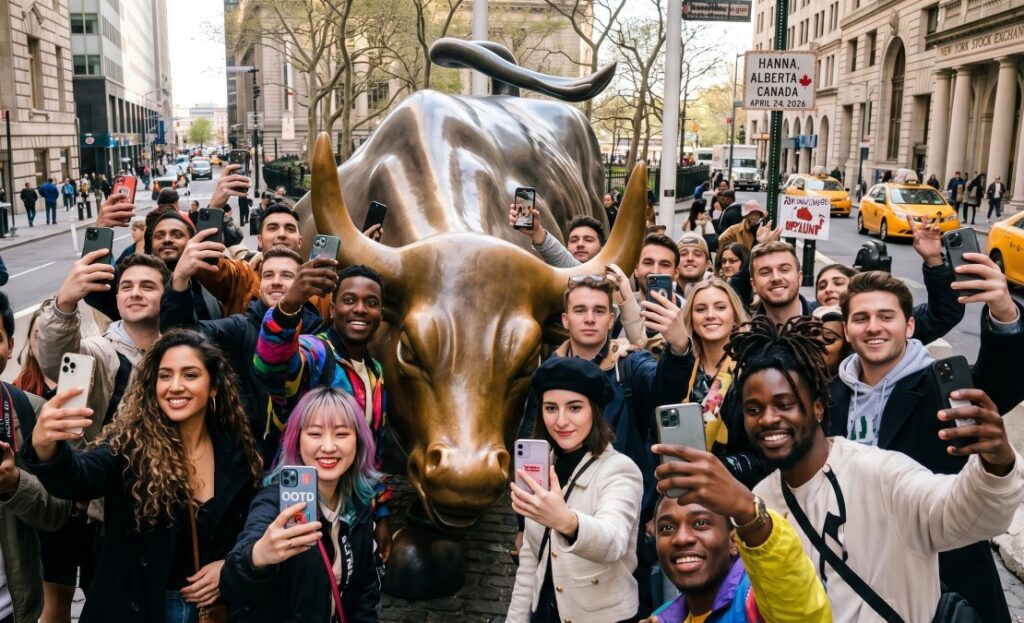
In the microcap / penny stock ecosystem, “influencers”— including social media personalities (finfluencers) and newsletter writers—occupy a critical and often controversial role. Unlike large-cap stocks covered by major investment banks, microcap companies frequently operate in an “information vacuum.” Influencers fill this void, providing visibility and liquidity to emerging penny stock companies that might otherwise go unnoticed by the broader market.
When operating ethically, these participants provide valuable education and market awareness. However, the low liquidity of small stocks makes them highly susceptible to “orchestrated influence.” In these scenarios, the influencer’s platform is co-opted to create artificial demand, often while the influencer or their benefactors are secretly unloading shares.
The Mechanics of Influencer Manipulation
Analysis of recent regulatory filings reveals a sophisticated “playbook” used to bypass standard investor due diligence and exploit the trust of retail audiences.
1. The Facade of Independent Analysis
One of the most recurring patterns of misconduct involves “analysts” who present themselves as independent researchers while operating as paid extensions of a company’s marketing arm.
- The “Independent” Newsletter: High-profile publications, such as Palm Beach Venture, have been cited for publishing reports with hyperbolic targets—e.g., “Over 4,900% Potential Gains”—while including explicit claims that they were not paid for the recommendation.
- Hidden Compensation Structures: Manipulation is often masked by “sham consulting agreements” or “conduit” entities. Payments may be routed through shell companies with absurdly unrelated descriptions, such as “Consulting for Developing Agave Syrup Phase 2,” to hide the source of funds.
- Non-Monetary Kickbacks: Beyond cash and shares, influencers may receive “lavish indirect compensation,” including high-end meals, exclusive club entertainment, and luxury concierge services, which are never disclosed to the reading public.
2. YouTube and “Insanely Cheap” Rhetoric
The rise of video platforms has introduced “finfluencers” who can reach tens of thousands of subscribers instantly, often with minimal regulatory oversight.
- Emotional Triggers: Promoters often use extreme language, describing companies as “insanely cheap” or “a massive steal” to create a sense of urgency.
- The “Read More” Disclaimer Trap: Influencers may technically include a disclosure of payment, but bury it in a location where the average viewer is unlikely to find it, such as deep within a “Read More” link in a video description rather than in the video itself.
- High Audience Impact vs. Low Accountability: Regulators note that a single internet-connected device allows a promoter to generate significant market activity with almost no overhead, making “deterrence” through fines a challenge.
3. Scalping and Trading Against Recommendations
A more predatory form of misconduct involves influencers who trade in direct opposition to the advice they give their followers.
- Bullish Touts for Hidden Sales: An influencer may issue a bullish tweet or video to artificially inflate a stock price while simultaneously selling their own position into the resulting volume spike.
- Front-Running and Coordinated Action: Some participants coordinate with hedge funds to share advance information on when a “buy” or “sell” recommendation will be released, allowing sophisticated actors to profit before the general public can react.
Educational Lessons for the Microcap Investor
To navigate a market where “influence” is for sale, investors should employ a rigorous, institutional-grade due diligence process.
Red Flags to Monitor
- Hyperbolic Price Targets: Any report claiming a potential gain of 1,000% or more should be treated as a promotional advertisement rather than a fundamental analysis.
- Volume Spikes on Video/Newsletter Alerts: If a stock’s volume surges immediately after an influencer “mention” without a corresponding audited financial filing (on SEDAR+ or EDGAR), the activity is likely manufactured.
- “Conspiratorial” Defenses: When challenged by regulators, problematic influencers often resort to claims of “powerful spying” or “media tools” being used against them, rather than providing verifiable business records.
The Institutional Checklist: Questions to Ask
- Is the Disclosure Conspicuous? Is the payment disclosure mentioned in the first 30 seconds of the video or the first paragraph of the report, or is it hidden in a footnote?.
- What is the Source of the “Success Story”? If a company is touted as a “game changer,” does the influencer provide a link to the audited financial statement, or merely repeat the company’s own press release?.
- Is the Influencer’s Track Record Verifiable? Do they acknowledge past “failures,” or do they only promote their “winners”? Legitimate analysts admit to the probabilistic nature of the market; manipulators claim “100% + guaranteed returns”.
Probabilistic Perspective: While many emerging companies use legitimate IR services to reach new investors, the microcap sector remains a high-risk environment. Statistics show that once a promotional campaign is exhausted, share prices often return to their “pre-pump” levels, leaving retail investors with significant capital losses. Investors must view every influencer recommendation as a “potential conflict of interest” until proven otherwise through independent research